Beyond Time
A personal dialogue across centuries.
Some works enter a collection. Others enter your life. These paintings were not chosen to complete a chronology, a school or a period. Each one opened a personal conversation with another age.
Each has two histories. The documented one — artist, attribution, date, provenance, subject and context — and the private one: a face, a landscape, a previous collector, a name that changed, or simply the moment in which the work became personal. These are a few of mine, chosen with my friend and gallerist Matteo Salamon.
This is not a chronology. It is a dialogue across centuries.
The wrong time.
The right place.
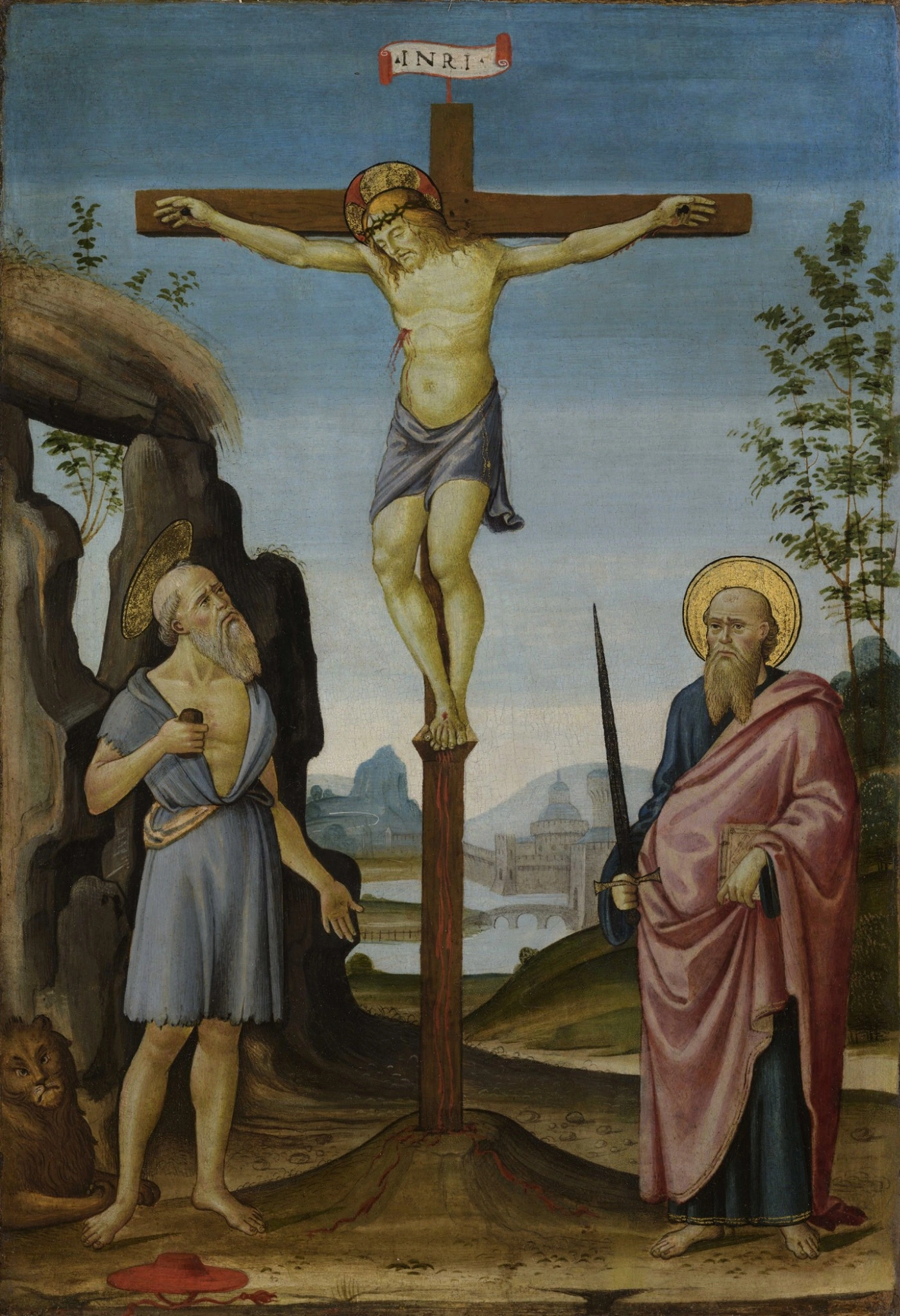
The Crucifixion contains two journeys through time at once. The sacred event is displaced into a Florence that did not belong to it, while the city behind it can be read through the precise state of its architecture around 1498. That tension turns the painting into more than an image of devotion: it becomes a document of a place in transformation, allowing the eye to move between biblical time, Renaissance Florence and the present moment in which we look back at both.
Read the storyWhen?
A portrait can create intimacy before it offers certainty. With this gentleman by Maso da San Friano, the first attraction was not simply identity, attribution or costume, but the unsettling feeling of recognising a person separated from us by centuries. The question became less “who is he?” than “when is he?” — a way of thinking about distance, resemblance and the strange immediacy that a painted face can preserve long after every biographical detail has disappeared.
Read the story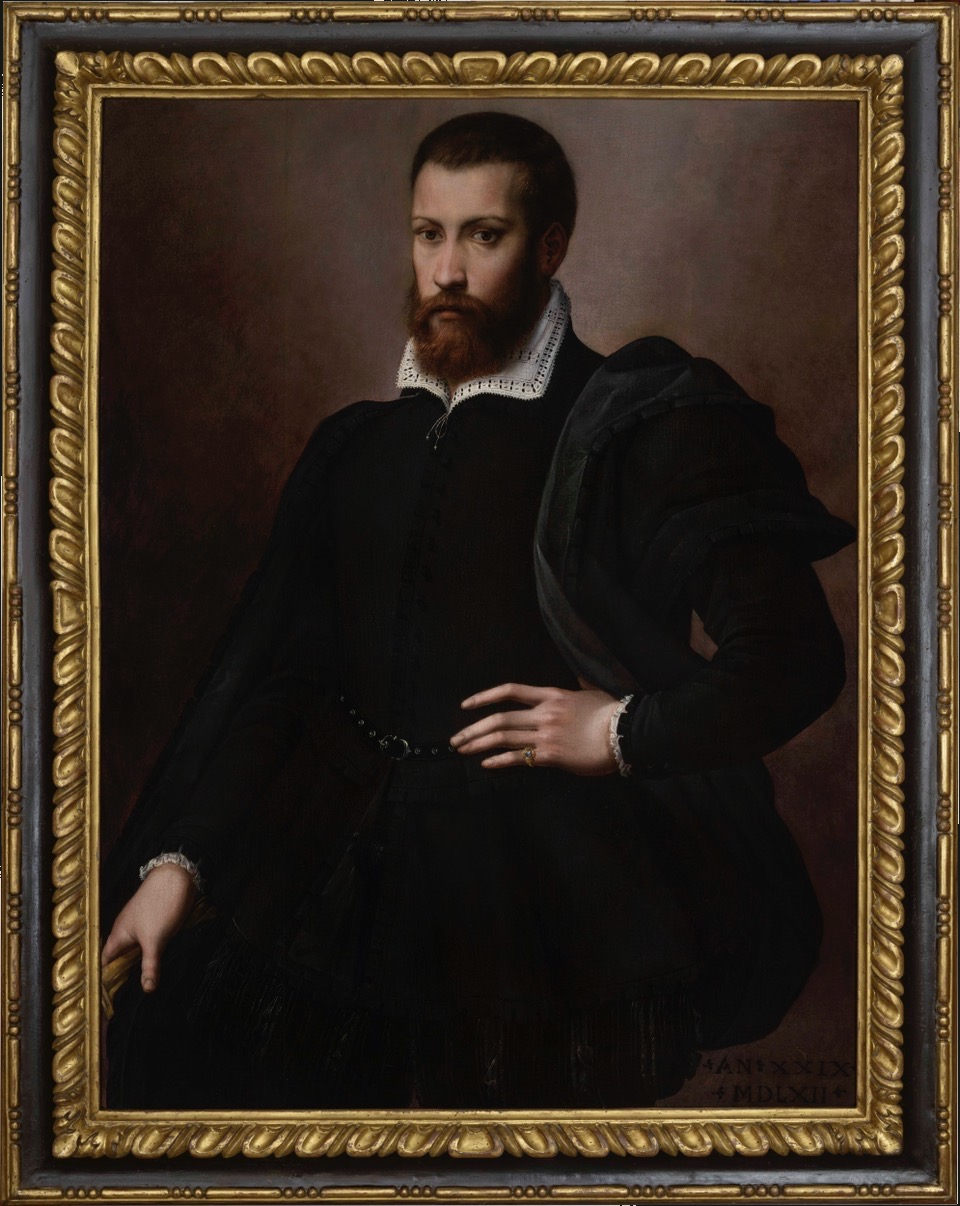
And that
lion.
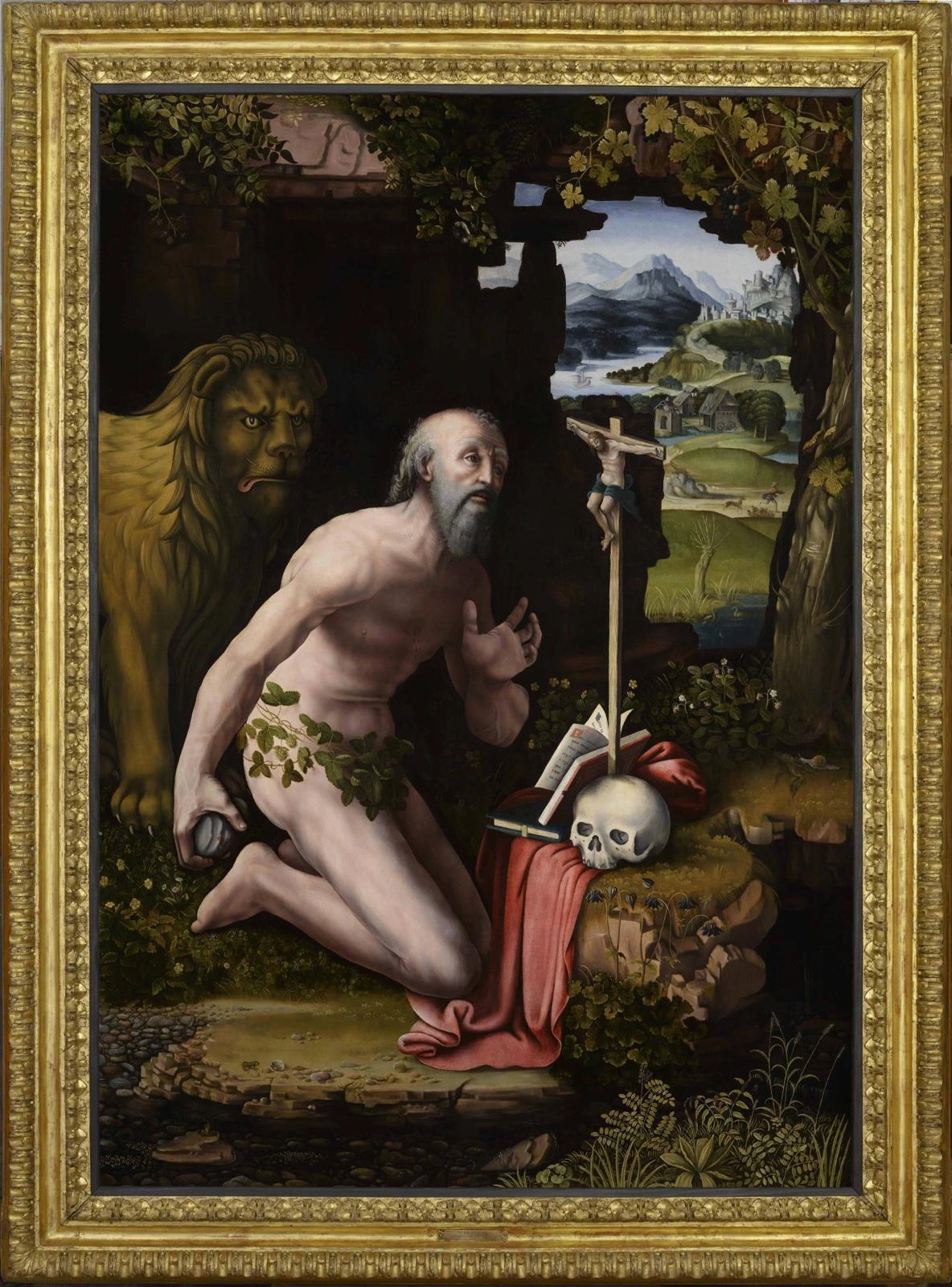
Saint Jerome opened a path toward the Leonardesque world through atmosphere rather than through a famous name. The landscape, the solitary figure and, inevitably, that lion create a scene in which observation and invention coexist. What drew me in was the sense of Milan around the work — not as a literal backdrop, but as a cultural climate. It is a painting that rewards looking slowly, because the details begin as iconography and end as personality.
Read the storyBefore me.
With Lorenzo di Bicci, the encounter does not stop at the painted surface. The Madonna and Child carries its own devotional and artistic history, but also the traces of the people who chose to live with it before I did. Provenance therefore becomes part of the emotional experience rather than a line in a dossier. Collecting an old painting means entering a chain that began long before us, accepting that ownership is temporary while attention, care and transmission are the more durable responsibilities.
Read the story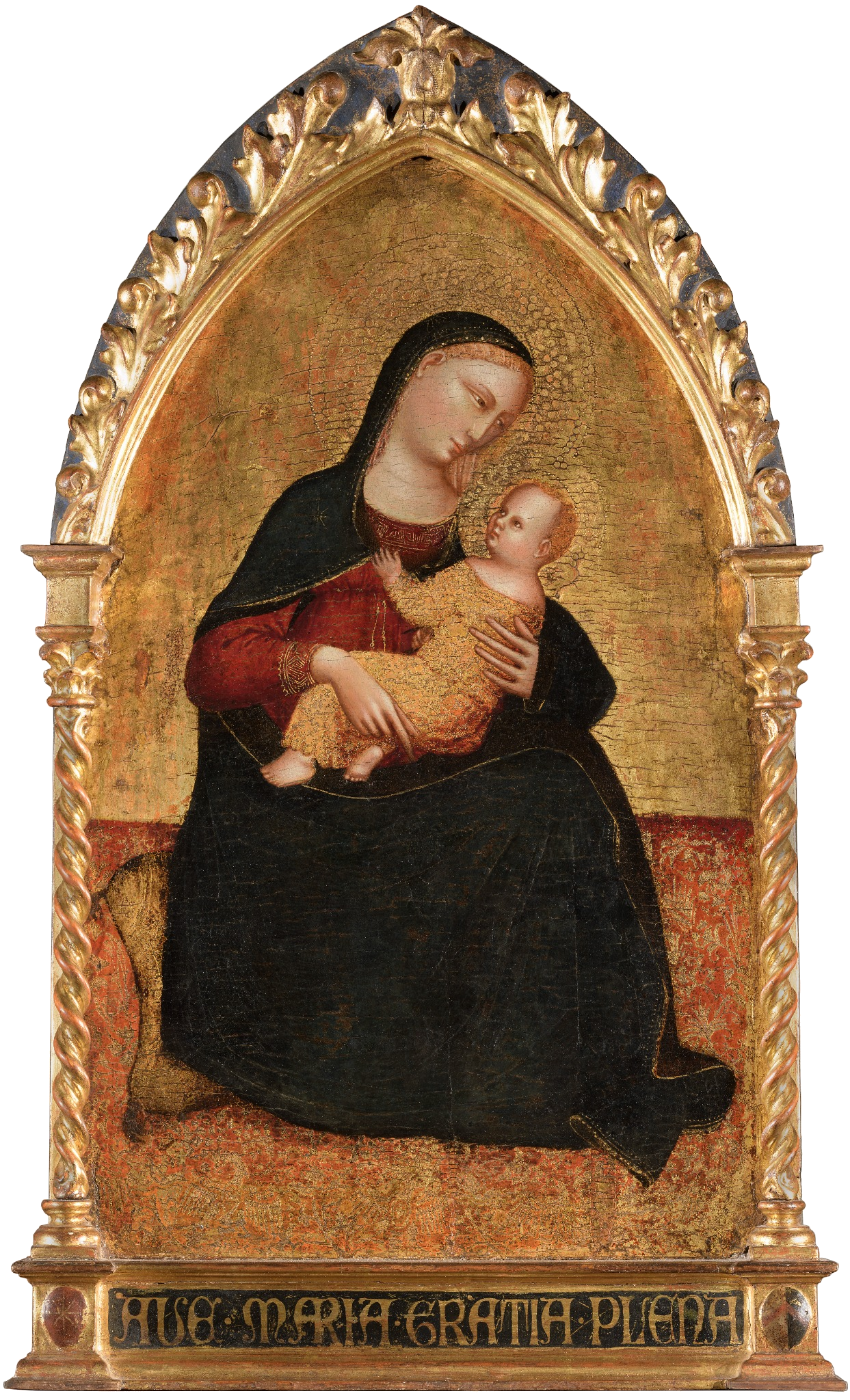
A shared eye.
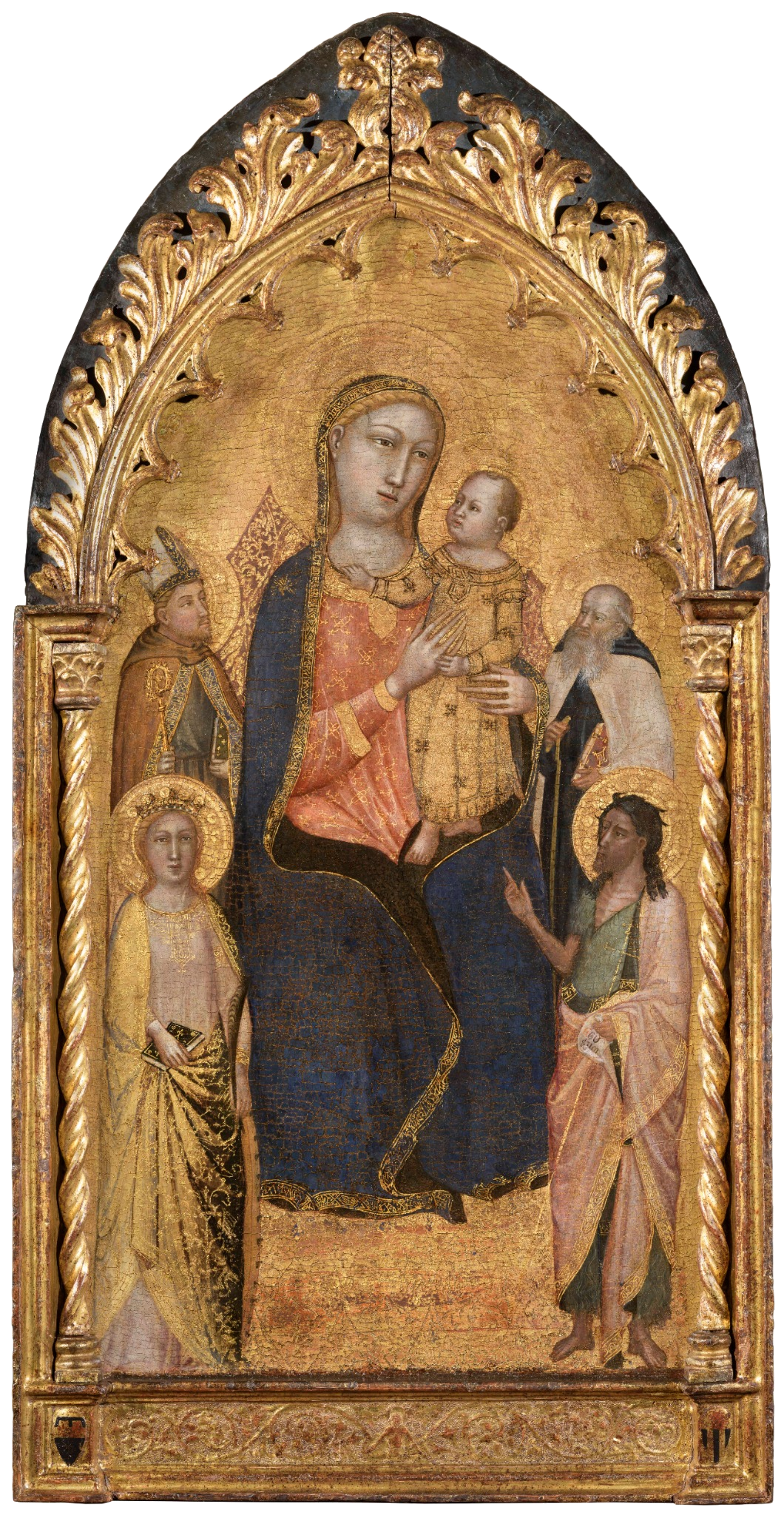
This second Lorenzo di Bicci entered the collection through a different but related conversation: the pleasure of recognising a visual language and then discovering how another collector had recognised it before. The work connects a distant century with a much more recent history of taste, scholarship and private choice. What interests me is exactly that overlap — the moment when an object can be historically remote and yet feel connected to decisions, sensitivities and conversations that remain surprisingly contemporary.
Read the storyBeyond
a name.
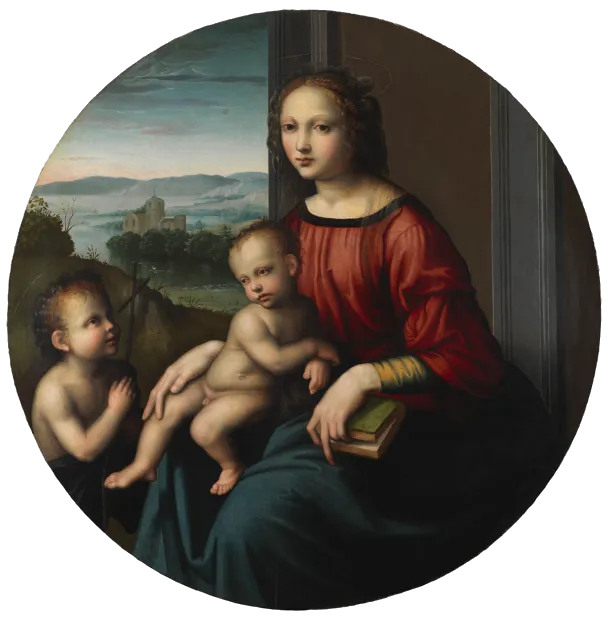
The history of this tondo is also a history of changing names. Associations and attributions moved as scholarship developed, including a long conversation around Raphael and his circle. Yet the quality that first held my attention did not depend on a label: it was the harmony of the group, the balance between figures and the quiet coherence of the whole. Attribution matters deeply, but this work is also a reminder that scholarship can change while the visual reason for wanting to keep looking remains.
Read the story